As an Amazon affiliate, I earn a commission for the products linked below.
Toner in skincare: Necessary Step or Overrated Add-On?
Toners get a bad reputation, often because people still associate them with old-school, alcohol-heavy astringents that strip the skin.
However, modern toners can actually support hydration, improve texture, and prepare the skin for actives if you select the right one for your skin type.
Here’s how toners really work nowadays, and when they’re worth the space on your shelf. 🧴✨
What Toners Were Originally Designed For
Toners were first created to compensate for crude cleansers that disrupted the skin’s pH balance.
Today’s cleansers are already pH-balanced, so a toner isn’t there just to “fix” the mess anymore; it has to add something valuable.
A label that says “balancing” doesn’t mean much unless the formula has beneficial ingredients.
What Modern Toners Actually Do
Modern toners can:
- Add early hydration layers
- Support skin barrier function
- Gently exfoliate without scrubbing
- Calm irritation before heavier products
- Improve absorption of serums/moisturizers
None of this is magical; it’s just better formulation science.
Types of Toners You’ll See Today
- Hydrating Toners
Focus on humectants and soothing agents. Ideal if your skin is dry, reactive, or dehydrated.
- Exfoliating Toners
Contain low percentages of acids (AHAs/BHAs/PHAs). Best used carefully, not daily.
- Barrier-Support Toners
Contain emollients, ceramides, and postbiotics; these help build the lipid layer.
- Multi-Functional Toners
Hybrid formulas that hydrate, calm, and provide gentle brightening.
Do You Actually Need a Toner?
The real question isn’t whether a toner is necessary; it’s whether it improves your routine without irritation.
You might benefit if:
- Your skin feels dry or tight after cleansing
- You use actives like retinol or acids
- Your routine feels “harsh” or unbalanced
- You want deeper hydration without adding multiple layers
You can safely skip toners if:
- Your cleanser + serum + moisturizer do the job
- You have extremely sensitive/reactive skin, and fewer products work best
A toner is optional, not essential, but it can be very useful when chosen correctly.
How to Apply a Toner
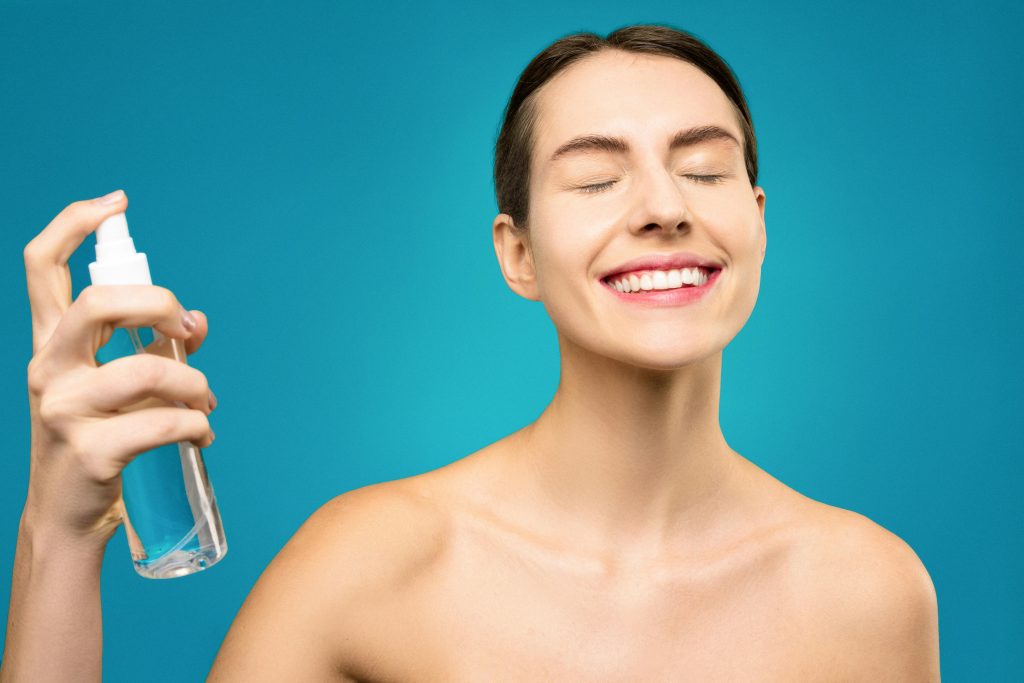
- Apply immediately after cleansing, while skin is slightly damp.
- Use your hands (gentler than cotton pads).
- Follow with serum → moisturizer → SPF (AM).
- If you are using an exfoliating toner, start with 2–3 times/week only.
- Always pair with sunscreen; even light toners can increase sensitivity.
Top Facial Toners for Every Skin Type
Here are toners that actually do something, chosen for performance and tolerance, not hype:
🔹Dry / Dehydrated Skin
Paula’s Choice Enriched Calming Toner
Why it’s great: Rich humectants + soothing agents restore moisture after cleansing without irritation.
How it helps: Strengthens barrier hydration, reduces tightness.
🔹Sensitive / Reactive Skin
Dermalogica UltraCalming Mist Toner
Why it’s great: Very mild, calming botanicals that soothe flare-ups and dryness.
How it helps: Reduces redness and preps skin for actives without sting.
🔹Oily / Acne-Prone Skin
Paula’s Choice Skin Balancing Pore-Reducing Toner
Why it’s great: Lightweight hydration with niacinamide and antioxidants.
How it helps: Controls excess oil while strengthening the barrier — no stripping dryness.
🔹Combination Skin
Why it’s great: Zinc-rich formula tones and mattifies without harsh astringents.
How it helps: Particularly effective in the T-zone while remaining comfortable in drier areas.
🔹Normal / Everyday Skin
Why it’s great: A polished, hydrating layer that boosts glow and prep for serums.
How it helps: Adds subtle radiance and penetration without irritation.
🔹Aging / Dull Skin
ISDIN – Isdinceutics Melaclear
Why it’s great: Gentle brightening with Vitamin C and Antioxidants.
How it helps: Exfoliates without overt irritation and improves luminosity.
How a Toner Fits Into Your Routine
Morning: Cleanse (optional) → Toner → Serum → Moisturizer → SPF
Night: Cleanse → Toner → Active (retinol/BHA/AHA as tolerated) → Moisturizer
Toner is effectively a pre-serum prep step, not a stand-alone miracle.
Common Toner Myths — Debunked
#1 Myth: Toners fixes pH after cleansing
Fact: Modern cleansers are pH-balanced. You don’t need toner for this.
#2 Myth: All toners exfoliate
Fact: Only toners with acids exfoliate. Hydrating toners don’t.
#3 Myth: Toners shrinks pores
Fact: Toner can temporarily tighten surface skin, but it doesn’t change pore size.
#4 Myth: Toners make skincare “absorb better.”
Fact: Improved absorption comes from hydration and barrier support, not toner alone.
FAQs
Do I need a toner if I use an essence?
Not necessarily, many essences serve the same function.
Can a toner replace moisturizer?
No, toner hydrates lightly; moisturizer seals and strengthens the barrier.
How often should I use an exfoliating toner?
Start 2–3 times/week, then adjust based on tolerance.
Is toner safe during pregnancy?
Hydrating and barrier toners are generally safe; avoid toners with high acid percentages without medical guidance.
Final Thoughts
A toner isn’t required for healthy skin, but when chosen wisely, it improves tolerance, hydration, and overall texture without irritation.
Don’t view it as a mandatory step; view it as a smart enhancer that fills the gap between cleansing and serums.
When your toner feeds your barrier instead of stripping it, your skin becomes calmer, more resilient, and more receptive to everything that follows.