As an Amazon affiliate, I earn a commission for the products linked below
✨ The Psychology of Luxury Skincare — Why We Crave the Rare
Luxury skincare isn’t just about glowing skin — it’s about identity, emotion, and the invisible language of status.
Behind every $800 serum and gold-encased moisturizer lies a fascinating interplay between neuroscience, psychology, and desire.
Let’s dive into why humans are hardwired to crave what’s rare — and how luxury skincare brands master this art.
The Allure of Rarity — The Brain’s Dopamine Response
Humans are biologically drawn to scarcity. When something is rare, our brain releases dopamine, the neurotransmitter linked to pleasure and motivation.
Luxury skincare capitalizes on this perfectly: limited editions, exclusive formulations, and high price tags create the perception of “the unattainable” — which instantly triggers desire.
That’s why brands like Augustinus Bader or Clé de Peau rarely go on sale — scarcity keeps value intact.
In psychological terms, owning these products makes you part of an elite minority.
The Status Signal — Beauty as Modern Wealth Language
Throughout history, beauty has always been tied to privilege.
In ancient Egypt, Cleopatra bathed in milk and honey — ingredients only royalty could afford.
Today, “luxury skincare” is the modern-day version of that ritual.
Buying a $400 cream isn’t just a skincare decision — it’s a status declaration. It says: “I invest in myself at the highest level.”
This phenomenon is known as “conspicuous self-care” — using premium self-care products not just for results, but for identity signaling.
The act of owning them satisfies both ego and aspiration.
The Sensory Psychology — Why Luxury Feels Better
Luxury skincare doesn’t just perform differently — it feels different.
From the silky textures to the subtle fragrances, these sensory cues activate regions of the brain associated with comfort and emotional satisfaction.
High-end brands invest millions into neurocosmetic testing, analyzing how certain scents, textures, and packaging influence mood and pleasure.
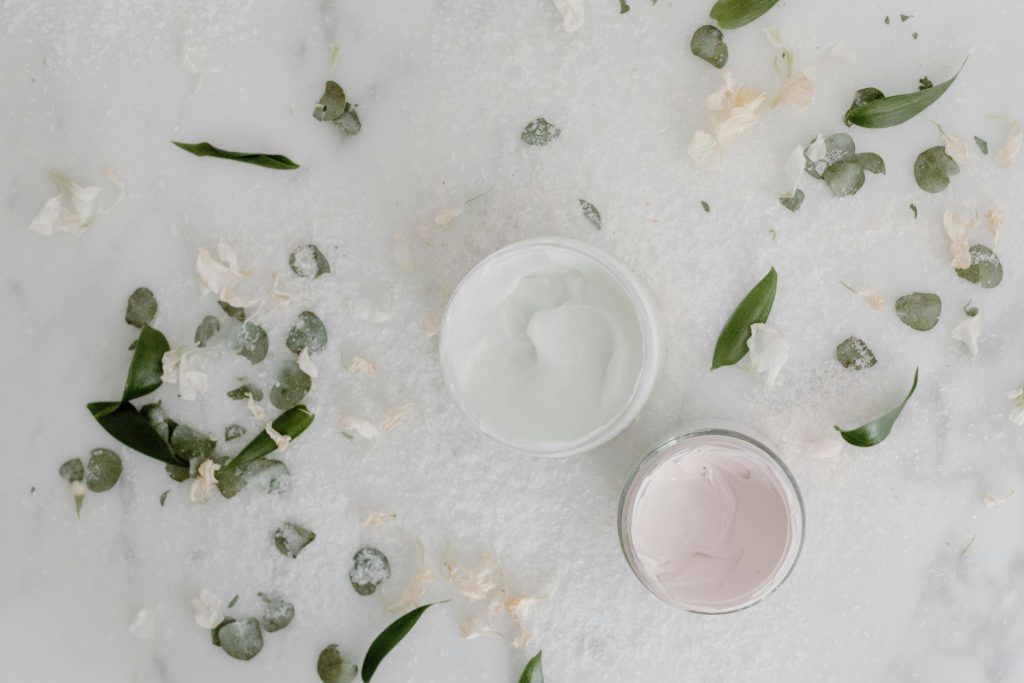
When your fingertips touch a jar of La Prairie or Dr. Barbara Sturm, your brain literally experiences anticipatory pleasure — before you even apply the product.
Ritual and Identity — The Science of Emotional Attachment
Luxury skincare isn’t about routine — it’s about ritual.
Rituals reduce anxiety, enhance focus, and reinforce identity.
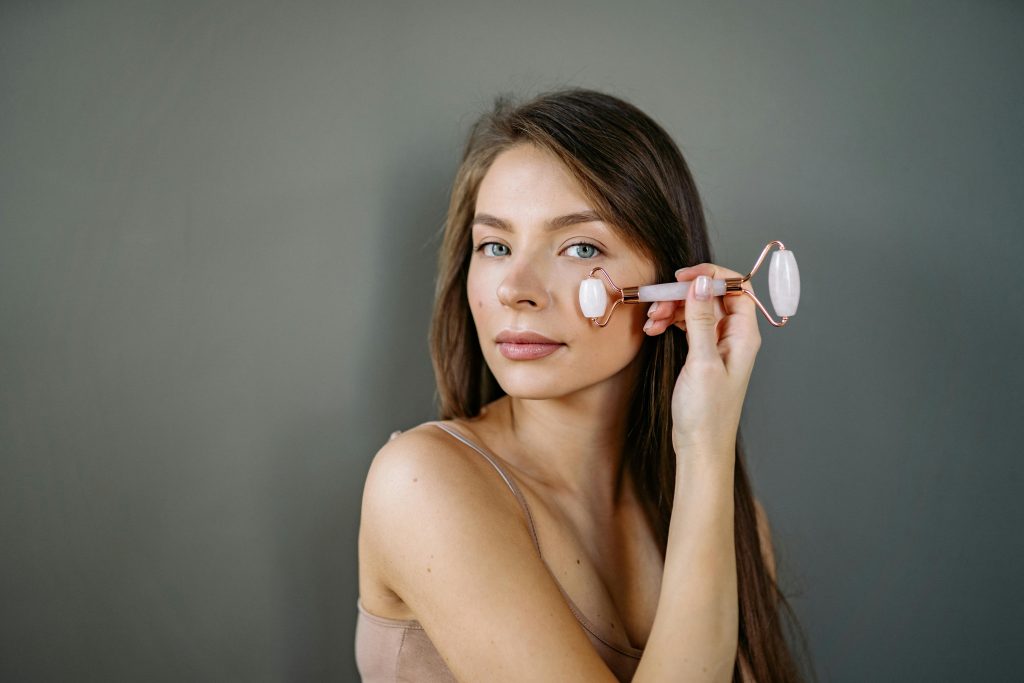
When applying a serum every night from a glass dropper, you’re performing a micro-luxury ritual that reaffirms control, self-worth, and beauty authority.
Neuroscientists call this the “ritual reward effect.” The more personal meaning you attach to a product, the stronger the emotional bond — and the harder it becomes to replace.
The Trust Factor — Science, Storytelling, and the Illusion of Control
Luxury skincare buyers are not naïve — they’re seekers of proof and prestige.
That’s why many premium brands now fuse clinical evidence with storytelling — offering both science and seduction.
Think of brands like:
✨ Augustinus Bader, with its TFC8® cellular renewal complex, born from regenerative medicine.
✨ Dr. Barbara Sturm, whose molecular science-based line positions skincare as anti-inflammatory therapy.
✨ Noble Panacea, developed by a Nobel Prize-winning chemist using OSMV™ technology for controlled ingredient release.
The science offers rational validation, while the exclusivity delivers emotional satisfaction — a potent psychological combination.
Why “Luxury” Makes Us Feel Younger — Literally
Studies in psychodermatology show that self-perception influences biological aging.
When you use products associated with wealth, elegance, and rejuvenation, your brain releases endorphins and reduces cortisol levels, indirectly benefiting your skin’s physiology.
In other words, luxury skincare not only looks luxurious — it can actually help you feel and age better.
Final Thought — Beauty as Self-Actualization
Luxury skincare is no longer just about results — it’s about becoming.
The pursuit of radiant skin mirrors our innate drive toward self-improvement, power, and identity.
To crave the rare is human — but to experience it is a statement.
So when someone spends $500 on a serum, they’re not just buying molecules — they’re investing in a narrative of worth, control, and transcendence.