As an Amazon affiliate, I earn a commission for the products linked below
Does Blue Light from Screens Affect Your Skin? 💻✨
We all know sunlight can damage our skin, but what about the light coming from your phone, laptop, or tablet? 👀
As our screen time skyrockets, dermatologists are paying closer attention to the effects of blue light (HEV light), a high-energy visible light emitted not only by the sun but also by our devices.
So, is your screen secretly aging your skin? Let’s find out.
💡 What Is Blue Light, Exactly?
Blue light (wavelength 400–490 nm) is part of the visible light spectrum, the same range that allows us to see colors.
It’s present in sunlight (the biggest source), but it’s also emitted by digital screens, LED lighting, and fluorescent bulbs.
While the amount of blue light from devices is far less intense than sunlight, our prolonged exposure — often for 8–12 hours daily — raises concerns about cumulative effects on the skin.
🔬 What Science Says About Blue Light and Skin
Emerging research suggests that chronic exposure to blue light can affect skin health in several ways:
🚩Oxidative Stress & Free Radical Damage
Blue light generates reactive oxygen species (ROS) — unstable molecules that damage skin cells, leading to premature aging, loss of elasticity, and fine lines.
🚩Hyperpigmentation
Studies show that blue light stimulates melanogenesis, particularly in medium to darker skin tones, causing uneven pigmentation and persistent dark spots.
🚩Inflammation and Barrier Disruption
Blue light can trigger inflammatory pathways in skin cells and weaken the skin barrier, leading to dullness and sensitivity.
🚩Sleep and Skin Repair
Blue light exposure at night disrupts melatonin production, interfering with the skin’s natural repair cycle and contributing to tired, dull skin. 😴
How to Protect Your Skin from Blue Light
Here’s what dermatologists recommend:
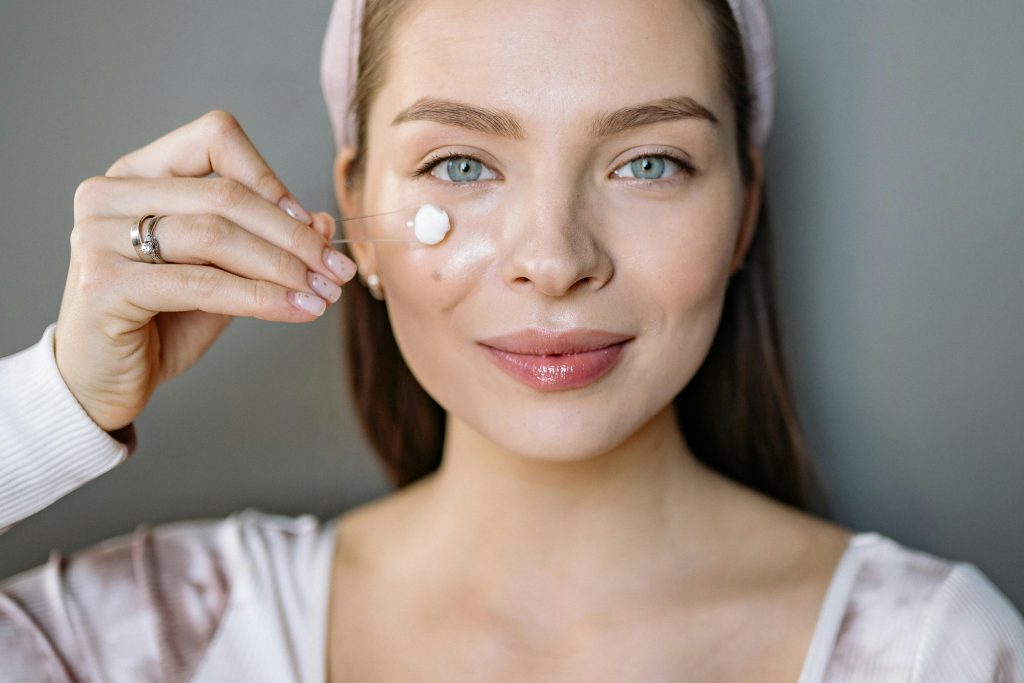
🔹Use Antioxidants Daily: Apply a serum or moisturizer rich in vitamin C, niacinamide, resveratrol, or green tea extract. These neutralize free radicals and strengthen the skin barrier.
Recommended Products:
- Paula’s Choice C15 Super Booster
- The Ordinary Niacinamide 10% + Zinc 1%
- SkinMedica Vitamin C+E Complex
🔹Wear Sunscreen Indoors: Not all sunscreens protect against blue light — look for ones with iron oxides or tinted mineral filters.
Derm-approved options:
- EltaMD UV Elements Tinted SPF 44
- La Roche-Posay Anthelios Mineral Tinted SPF 50
- Supergoop! Unseen Sunscreen SPF 40
🔹Enable Night Mode & Screen Filters: Reduce blue light emission from your devices by using night mode, dark themes, or blue light filter apps.
🔹Eat for Skin Defense: Antioxidant-rich foods like berries, leafy greens, and fatty fish help your body fight free radicals from the inside out.
🔹Limit Nighttime Screen Exposure: Give your skin and circadian rhythm a break — aim to disconnect at least one hour before bed.
FAQs About Blue Light and Skin
Is blue light from screens as harmful as UV rays?
No — blue light is much less energetic than UV light, but long-term exposure still contributes to oxidative stress and pigmentation.
Do regular sunscreens block blue light?
Not always. Most chemical sunscreens target UV radiation only. To block blue light, look for mineral or tinted formulations.
Can blue light cause acne?
Not directly. However, oxidative stress and barrier disruption can worsen inflammation, indirectly aggravating breakouts.
Does blue light have any benefits?
Interestingly, controlled doses of blue light are used in dermatology to treat acne (it kills C. acnes bacteria). But that’s very different from everyday screen exposure.
How can I tell if my skin is affected by blue light?
If you notice persistent dullness, dark spots, or early fine lines, especially on screen-facing areas, blue light may be a contributing factor.
🌙 Final Thoughts
Blue light might not burn your skin like the sun does — but its subtle, cumulative effects are real.
Protecting your skin with antioxidants, tinted sunscreen, and smarter screen habits can make all the difference.
After all, glowing skin isn’t just about what you put on it — it’s about how you protect it. 💫