As an Amazon affiliate, I earn a commission for the products linked below
How Stress Affects Your Skin (And How to Calm It Down) 🧠
Modern life runs on caffeine, deadlines, and high cortisol levels, and your skin can tell. 😩
If you’ve ever broken out before an exam, a big meeting, or a major life change, you’ve experienced stress-induced skin reactions firsthand.
Let’s look at what’s actually happening beneath the surface and how to stop stress from sabotaging your glow. ✨
The Science: How Stress Affects Your Skin
When you’re under stress, your brain releases cortisol, the body’s primary stress hormone.
Cortisol doesn’t just make you feel anxious; it directly impacts your skin barrier, oil glands, and inflammatory responses.
Here’s what it does:
- Increases oil production, leading to clogged pores and acne
- Weakens the skin barrier, causing dehydration and sensitivity
- Breaks down collagen and elastin, accelerating visible aging
- Delays wound healing, making blemishes last longer
In other words, stress literally rewires your skin’s biology — and not in your favor.
Skin Problems Triggered by Stress ⚡
Different people manifest stress differently, but the skin tends to respond in a few predictable ways:
🚩 Breakouts & Acne
Stress hormones ramp up sebum production and inflammation.
That’s why acne tends to appear around the jawline and chin during emotional stress, classic signs of hormonal disruption.
🚩 Inflammation & Redness
Chronic stress activates inflammatory pathways in the skin, worsening conditions like rosacea, eczema, and psoriasis.
🚩 Premature Aging
Cortisol breaks down collagen and reduces skin elasticity.
Over time, this leads to fine lines, dullness, and sagging, especially around the eyes and mouth.
🚩 Barrier Damage & Sensitivity
Stress weakens the lipid barrier that keeps moisture in and irritants out, causing dryness, flakiness, or a tight feeling after cleansing.
🚩 Delayed Healing
If you’ve noticed that pimples take longer to fade when you’re stressed, that’s cortisol again; it slows down cell regeneration
How to Calm Stress (and Your Skin)
You can’t eliminate stress entirely, but you can train your body and skin to recover faster.
✅ Simplify Your Routine
When you’re stressed, your skin is extra reactive.
Stick to gentle cleansers, barrier-repair moisturizers, and fragrance-free formulas until it stabilizes.
Derm-approved calmers:
- La Roche-Posay Toleriane Ultra Cream
- Avene Cicalfate+ Restorative Cream
- Dr. Jart+ Cicapair Tiger Grass Serum
✅ Add a Barrier-Repair Ingredient
Look for:
- Ceramides 🧱 – restore the lipid barrier
- Niacinamide 🌿 – reduces inflammation
- Centella Asiatica (Cica) 💧 – soothes redness and irritation
✅ Practice Skin Meditation
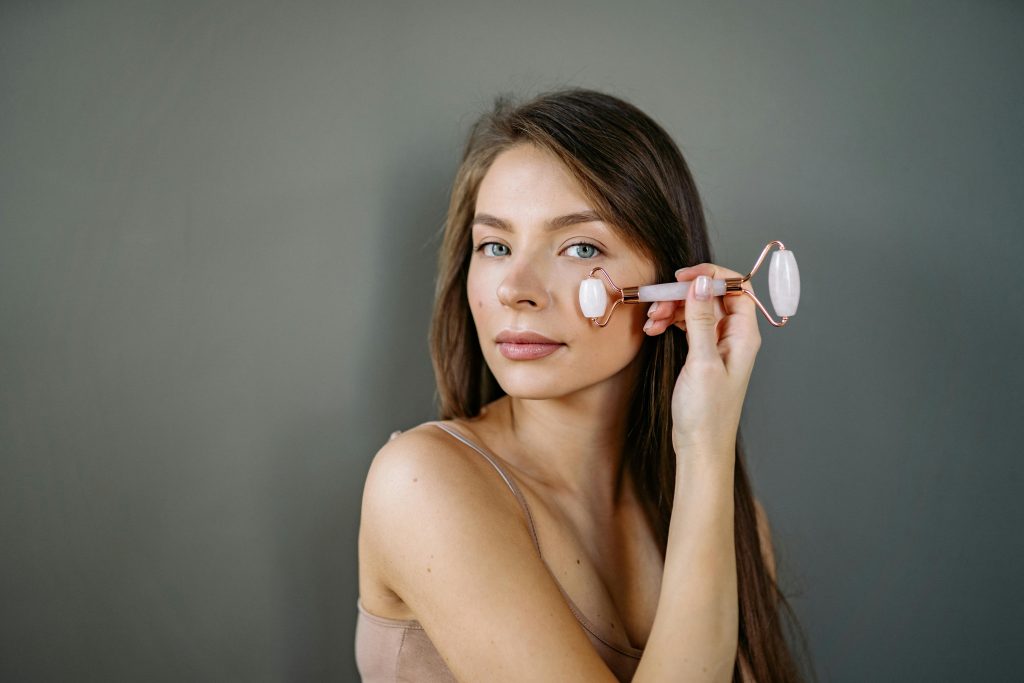
Create a mindful skincare ritual, gentle massage, deep breathing while applying serum, or using a cool jade roller to reduce puffiness.
It’s not just relaxation; studies show mindfulness lowers cortisol and improves skin barrier recovery.
✅ Sleep It Off (Literally)
Stress and sleep deprivation feed off each other.
Aim for 7–9 hours, as your skin regenerates collagen and repairs oxidative damage overnight.
✅ Feed Your Skin from the Inside
Omega-3 fatty acids, antioxidants (vitamin C, E, and zinc), and hydration-rich foods like cucumbers and berries strengthen your skin’s resilience to stress.
✅ Set Boundaries with Caffeine & Screens
Caffeine spikes cortisol, and late-night scrolling messes with melatonin; both wreck your repair cycle.
Try herbal teas like chamomile or rooibos instead. 🍵
Bonus: Skincare Products That Fight Stress Damage
✨ For dullness & fatigue:
✨ For barrier repair:
✨ For stressed-out breakouts:
FAQs About Stress and Skin
Can stress really cause acne?
Yes. Elevated cortisol increases sebum (oil) production and inflammation, both of which trigger acne flare-ups — especially hormonal or cystic acne.
Does stress make skin age faster?
Absolutely. Chronic stress breaks down collagen and elastin, the proteins responsible for keeping skin firm and youthful.
Why does my skin get itchy or red when I’m anxious?
Stress activates nerve endings and inflammatory pathways, leading to temporary redness, hives, or even eczema-like rashes.
How long does it take for skin to recover from stress?
If you manage stress and restore your barrier, you can see improvements in 1–2 weeks. Chronic stress, however, can cause longer-term damage.
What’s the best skincare ingredient for stressed skin?
Look for niacinamide, ceramides, and Centella Asiatica (Cica) — all of which calm inflammation, support repair, and strengthen the skin barrier.
🌿 Final Verdict
Stress might be invisible, but its effects on your skin aren’t.
It speeds up aging, triggers acne, and weakens your barrier, but the good news is, you can reverse much of it with consistency, calm, and the right skincare.
So next time your skin flares up, don’t panic, breathe, simplify, and let your skin heal at its own pace. 💆♀️✨